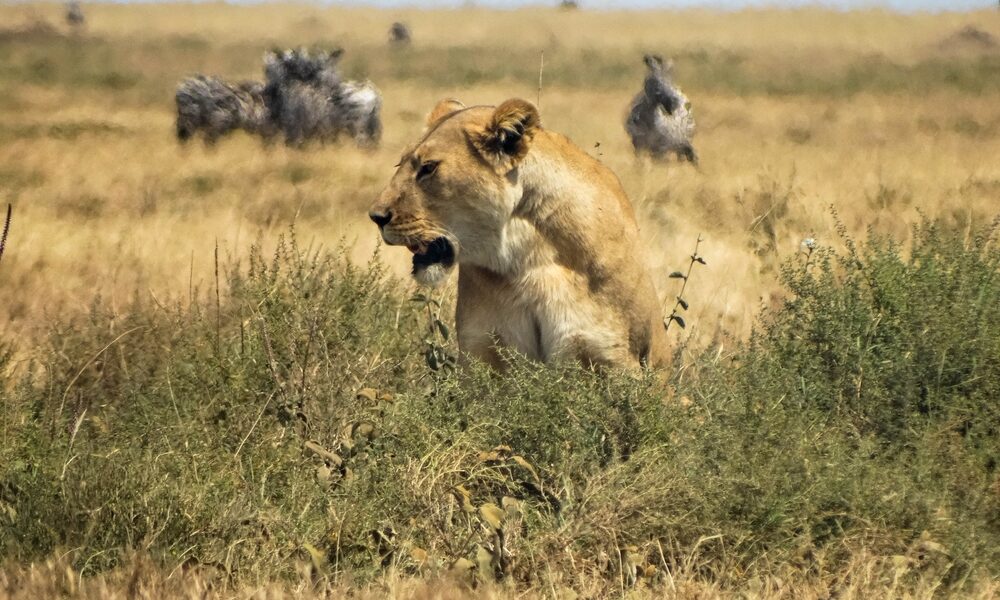
But here’s the thing most people miss — it’s not really about the predators at all. The prey side of this equation is where the real magic happens. The ways animals dodge, weave, hide, and flat-out trick their hunters? That’s the story worth telling.
The Big Picture: How Predators and Prey Shape Everything
I’ve spent a lot of time thinking about how predator and prey relationships actually work. And honestly, it’s way more interconnected than most folks realize. You can’t separate one from the other. Prey animals aren’t just lunch — they’re shaping how predators evolve, how fit they stay, and what behaviors they develop over time.
It’s this constant back-and-forth that builds entire ecosystems. Savannas, coral reefs, dense forests — none of them would function the way they do without this dance between hunter and hunted. I think that’s what fascinates me most about wildlife research. Nothing exists in isolation.
Why Prey Animals Matter More Than You’d Think
Prey animals are the backbone of healthy ecosystems, and I don’t think they get enough credit. They drive energy flows. They keep nutrient cycles running. Without them, predator populations collapse, and the whole system unravels.
I’ve seen this play out in real time. When prey numbers drop in an area, the predators don’t just shrug it off. They decline right alongside them. It’s a domino effect that can ripple through an entire habitat. That interdependence is something I never get tired of studying — it’s humbling, really, to see how tightly woven these relationships are.
Survival Adaptations That Still Blow My Mind
Now here’s where things get genuinely interesting. Prey species have come up with some absolutely wild strategies to avoid getting eaten, and I’ve seen enough of them firsthand to never underestimate a so-called “helpless” animal.
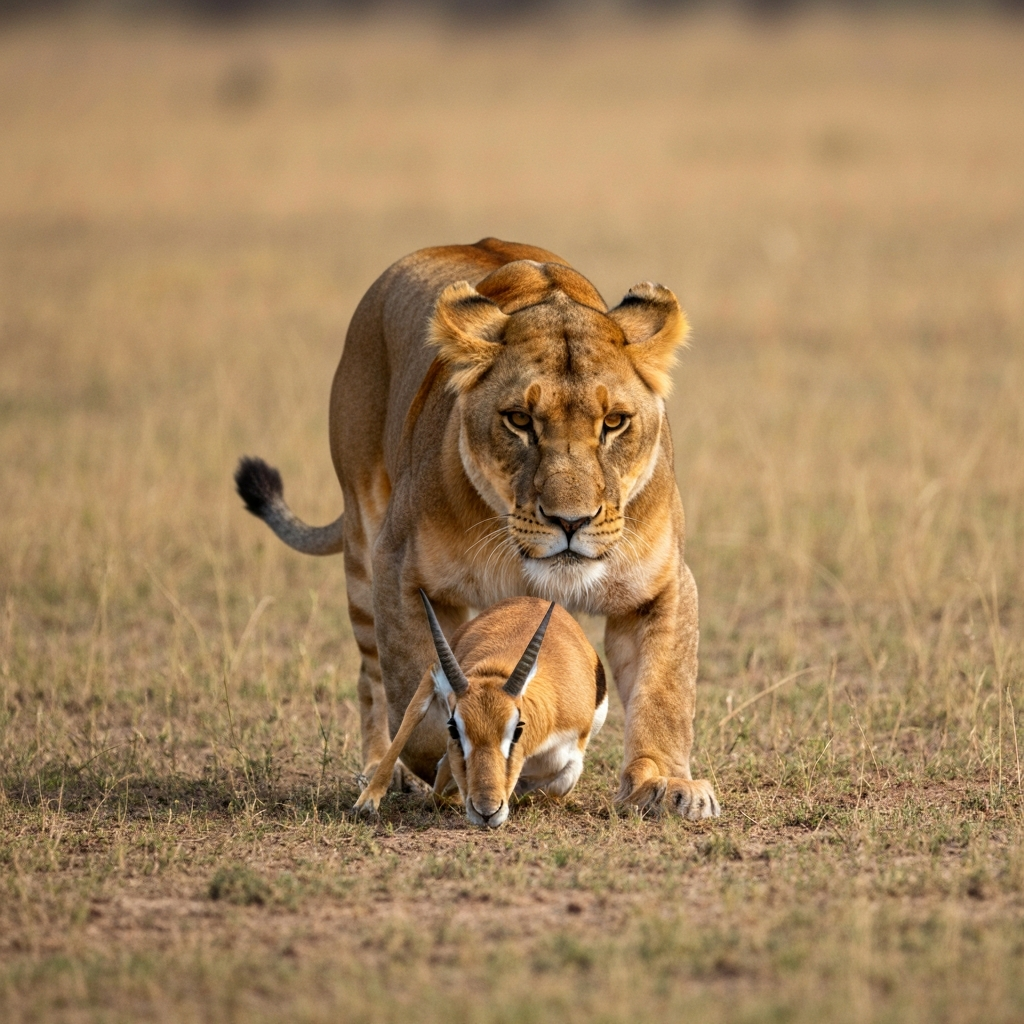
Take camouflage, for instance. The peppered moth is one of my favorite examples. Its coloring actually shifted over generations to match environmental changes — that’s not just hiding, that’s evolution doing its thing in real time. Then you’ve got your speedsters. Gazelles, rabbits — these animals rely on raw agility. I’ve watched a gazelle make a turn that would snap your ankles, and the predator behind it just couldn’t keep up.
And don’t even get me started on chemical warfare. Certain frogs and insects release toxins that make them taste awful or outright dangerous to eat. Imagine biting into something and immediately regretting every choice that led you there. That’s what predators deal with.
Sensory Superpowers in the Prey World
This one’s really cool. Lots of prey animals have senses that are tuned way beyond what we can imagine. Rabbits and deer, for example, have those big eyes set on the sides of their heads. It’s not a design flaw — it gives them nearly 360-degree vision. They can spot a predator creeping up from almost any angle.
Then there are rodents with hearing so sharp they can pick up the faintest rustle of a predator approaching through grass. I’ve watched field mice freeze mid-step because they heard something I couldn’t even detect with my own ears. These sensory adaptations aren’t just helpful — they’re the difference between life and death out there, and they’ve been refined over millions of years of pressure.
Behavioral Tricks That Keep Prey Alive
Beyond physical adaptations, prey animals have developed some seriously clever behavioral strategies. Schools of fish, flocks of birds — there’s a reason they stick together. It’s called the dilution effect, and it’s brilliantly simple. When you’re one fish in a thousand, the odds of YOU being the one that gets picked off drop dramatically. Predators struggle to single out one target in all that chaos.
Meerkats take a completely different approach that I find fascinating. They’ll post sentinels — individual meerkats who stand guard while the rest of the group forages. One animal sacrifices its own feeding time to watch for danger.
The Wild World of Mimicry and Deception
I’ve always had a soft spot for the tricksters of the animal kingdom. Mimicry is one of nature’s most elegant survival strategies, and it’s more common than you’d expect. The viceroy butterfly, for instance, looks almost identical to the toxic monarch butterfly. Predators who’ve had a bad experience with a monarch will steer clear of the viceroy too. Free protection, no toxins required.
Some snakes pull off something even bolder. They’ll mimic the appearance and behavior of far more dangerous species. A harmless snake acting like a venomous one can buy itself just enough time to escape. It’s deception at its finest, and I’ve got to respect the hustle. These animals are playing mind games with creatures that want to eat them, and winning.
Evolution’s Arms Race: Predators vs. Prey
Here’s something that still gets me excited after all these years: the evolutionary arms race. Predation puts relentless pressure on prey species, and natural selection picks the winners. Individuals with better survival traits — faster legs, sharper senses, better camouflage — pass those traits along. Over generations, you get these incredibly refined adaptations.
The cheetah-gazelle relationship is probably the most dramatic example. Both species have evolved extreme speed as a survival tool. Cheetahs got faster to catch prey. Gazelles got faster to escape. Neither side can afford to slow down. It’s an arms race that’s been going on for millennia, and there’s no finish line in sight. I find that endlessly compelling.
How We’re Messing Things Up (and What We Can Do)
I won’t sugarcoat this part. Human activity is hammering prey populations across the globe, and the consequences are serious. Deforestation, urban sprawl, climate change — all of these strip away the habitats and food sources that prey species depend on. Overfishing and hunting directly reduce prey numbers, and when prey disappears, entire food webs collapse.
But it’s not all doom and gloom. Conservation work is making a real difference in some areas. Protecting key habitats, regulating hunting and fishing, restoring degraded ecosystems — these things matter. I’ve seen recovery efforts work when given enough time and resources. It’s slow, painstaking work, but it’s worth every bit of effort we put in.
The Invasive Species Problem Nobody Talks About Enough
Invasive species are a massive headache for native prey populations, and I don’t think this issue gets the attention it deserves. When a species shows up in a new environment without any natural predators, it can absolutely steamroll the locals. The cane toad situation in Australia is a textbook case. Those toads devastated native reptiles and amphibians that had zero evolutionary preparation for them.
Managing invasive species isn’t glamorous work. It’s tedious, expensive, and never really “done.” But it’s absolutely critical for preserving the ecological balance that native prey populations depend on. I’ve talked to researchers who’ve dedicated their entire careers to this problem, and their dedication is something I genuinely admire.
Wrapping It All Up
Look, the relationship between predators and prey is one of the most fundamental forces in nature. I’ve spent years digging into these dynamics, and I’m still learning new things all the time. Every adaptation, every behavioral strategy, every evolutionary twist tells a story about survival under pressure.
Understanding how prey animals survive isn’t just an academic exercise. It directly informs how we approach conservation and habitat protection. The more we learn about these intricate relationships, the better equipped we are to protect the ecosystems that depend on them. And honestly, the more I study this stuff, the more I’m convinced that nature’s got a lot more figured out than we do.


Stay in the loop
Get the latest international wildlife research updates delivered to your inbox.