Today, I will share it all with you.
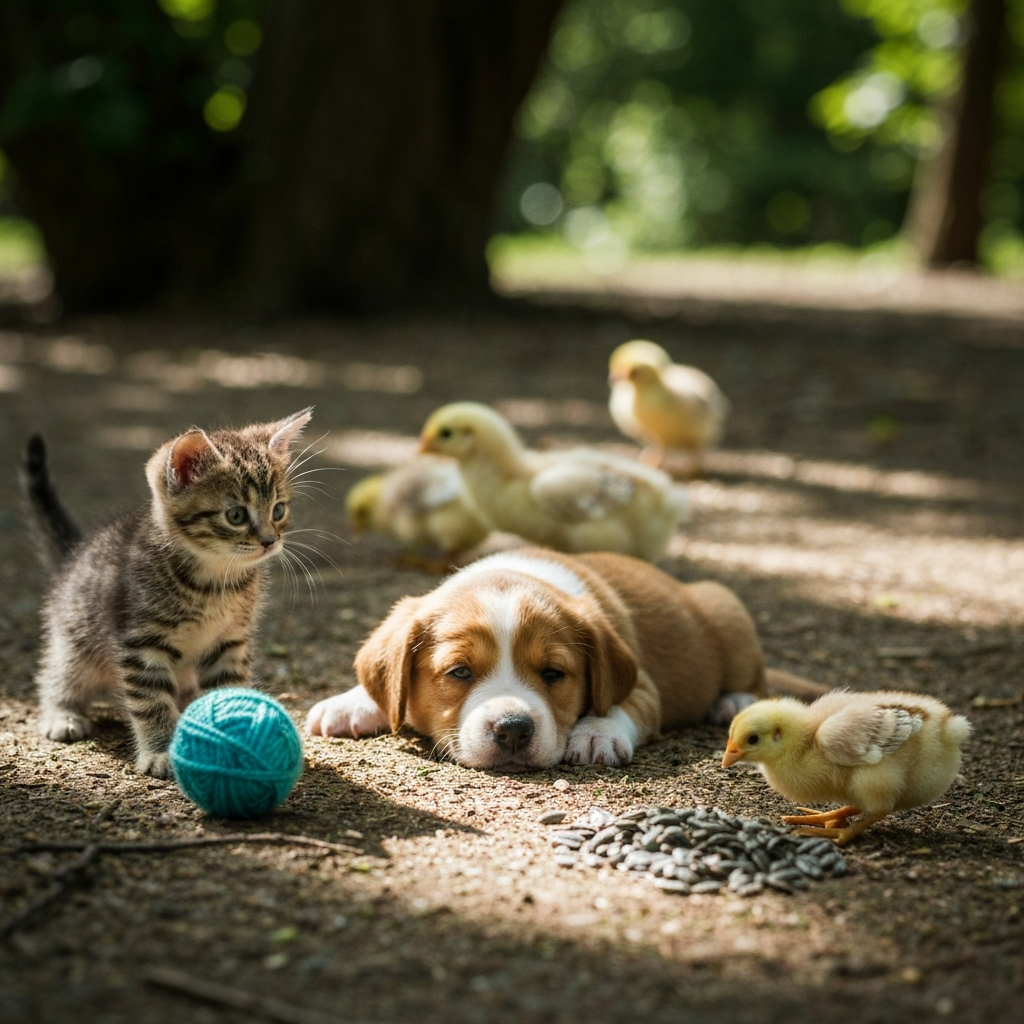
Table of Contents
Understanding Adorable Fluffy Baby Animals
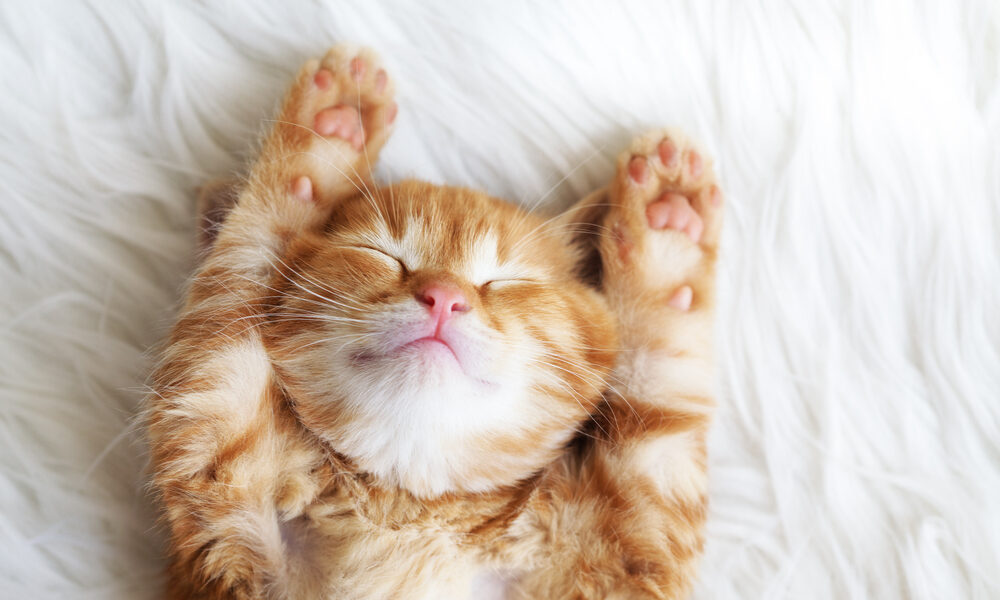
I don’t think I’ve ever met a person who could look at a tiny, fuzzy animal and not feel something. It’s practically a universal experience. Those oversized paws, the wobbly first steps, the way a kitten’s entire body vibrates when it purrs — there’s real magic there. But here’s the thing most people don’t think about: baby animals aren’t just cute for the sake of being cute. Their fluffiness, their big eyes, their helpless little squeaks — all of it serves a purpose. Every single feature that makes you go “aww” is tied to survival in one way or another.
The Science Behind Their Cuteness
Because once you understand the science, you can’t unsee it. Researchers call it the “baby schema” — a set of physical traits like big round eyes, chubby cheeks, a small nose, and a large forehead relative to the face. When we spot these features, our brains light up. I mean literally. Neuroimaging studies have shown that viewing cute baby faces — human or animal — activates the nucleus accumbens, which is a reward center in the brain. So that rush of warm feelings you get? That’s dopamine. You’re basically getting a tiny neurological reward every time you look at a puppy.
From an evolutionary standpoint, this makes total sense. Species that triggered caregiving responses in adults survived at higher rates. It’s not just about human babies, either. The same wiring kicks in for kittens, ducklings, baby pandas — you name it. We’re hardwired for this stuff, and I find that kind of fascinating. Why do we melt when we see a baby otter floating on its back? Because millions of years of evolution shaped us to do exactly that.
Growth and Development Stages
Watching a baby animal grow up is one of the most rewarding things I’ve ever experienced. And it happens fast — way faster than we expect. Take puppies, for example. They go through a neonatal stage (the first two weeks, where they can’t see or hear), then a transitional stage where their eyes and ears open, then a socialization window that lasts roughly from three to twelve weeks. That socialization window? It’s absolutely critical. Miss it, and you’ve got a much harder road ahead for behavioral development.
Kittens follow a similar but slightly different trajectory. They’re born blind and deaf, start exploring around three weeks, and hit peak play behavior by about seven to eight weeks. Meanwhile, a baby deer — a fawn — can stand and walk within hours of birth. Hours! The contrast is wild. Some species come into the world ready to move, while others need weeks of constant care before they can do much of anything. Each approach works brilliantly for the species in question, though. Evolution’s a clever thing.
Common Habitats of Baby Animals
Where a baby animal enters the world tells you a lot about its species’ survival strategy. Seal pups, for instance, are born on frigid, icy shores. Sounds miserable, right? But they’re equipped with thick layers of blubber and dense fur from day one. They need it — temperatures can plunge well below freezing, and those first weeks on the ice are a crash course in Arctic survival.
Lion cubs, on the other hand, are born in thick brush or tall vegetation that their mothers specifically seek out. The whole point is concealment. A newborn lion cub can’t run or fight, so hiding is the only option. Mom picks a spot with dense cover and keeps the cubs there for the first several weeks, moving them periodically to stay ahead of predators. Polar bear dens carved into snowdrifts, eagle nests perched on cliff faces, rabbit warrens dug beneath meadows — each habitat reflects millions of years of fine-tuning between species and environment.
Care and Parenting Styles
I could talk about animal parenting styles all day. The variety is staggering. Elephant herds are famously matriarchal, and when a calf is born, it isn’t just the mother’s job to raise it. Other females in the herd — called allomothers — step in to help guide, protect, and teach the youngster. It really does take a village, at least in elephant society. A calf might nurse for two to three years, but it starts experimenting with solid food within months.
Then you’ve got marsupials, who take a completely different approach. Kangaroo joeys are born incredibly undeveloped — they’re basically the size of a jellybean — and crawl into their mother’s pouch, where they continue growing for months. It’s almost like a second womb. They’ll pop their heads out eventually, start nibbling grass, hop out for short excursions, and one day just… leave. Emperor penguins have yet another method: dads hold the egg on their feet through the Antarctic winter while the moms go off to hunt. Try doing that in negative-40-degree weather. Parenthood in the animal kingdom is no joke.
Nutritional Needs
Nutrition during those first weeks and months can make or break a young animal’s survival. For mammals, it almost always starts with milk. Mother’s milk is packed with fats, proteins, and antibodies that give newborns a fighting chance. Hooded seal milk, fun fact, contains about 60% fat. Sixty percent! That’s basically liquid butter, and it helps pups double their weight in under a week.
As babies grow, their diets shift. Bear cubs nurse for months, but they’re also watching mom and starting to experiment with berries, grubs, and roots. Raptor chicks eat regurgitated meat from their parents before eventually learning to tear prey apart themselves. Baby herbivores like foals and calves begin grazing within days or weeks while still supplementing with milk. It’s a gradual handoff, and the timing varies hugely depending on the species. Getting it wrong can have serious consequences — which is one reason wildlife rehabilitators are so careful about diet when they’re raising orphaned animals.
Socialization and Learning
Ever watched a litter of puppies wrestle? It looks like chaos, but there’s a whole curriculum playing out. When one puppy bites too hard and the other yelps and walks away, that’s a lesson in bite inhibition. When kittens stalk each other’s tails, they’re practicing hunting skills they’ll use for the rest of their lives. Play isn’t just play for baby animals. It’s school.
Wolf pups learn pack dynamics through play-fighting and by observing older wolves. Young otters are literally taught to swim by their mothers, who sometimes drag reluctant pups into the water. Baby crows watch their parents solve problems and, over time, develop their own impressive problem-solving abilities. The social learning that happens during infancy sets the foundation for everything an animal will do as an adult — finding food, avoiding danger, communicating with others in its group, even raising its own young someday. Skip this phase, and the animal struggles. It’s that simple.
Challenges and Threats
Here’s the part nobody really wants to talk about. Despite their cuteness, baby animals face brutal odds in the wild. Predation is the obvious one — a baby gazelle is literally lunch for half the savanna. But there’s also disease, starvation, harsh weather, and accidents. The mortality rates for some species are staggering. Only about one in five lion cubs survives to adulthood. Sea turtle hatchlings? Their survival rate is closer to one in a thousand.
And then there’s what humans are doing. Habitat destruction shrinks the safe spaces these animals need to raise their young. Climate change throws off seasonal timing — some birds are hatching at the wrong time relative to insect emergence, meaning there isn’t enough food. Pollution, poaching, light and noise interference — the list goes on. I don’t say this to bum anyone out, but it’s important to look at the full picture. These fluffy babies we adore are dealing with a world that’s getting harder to survive in.
Conservation Efforts
The good news? People are fighting back. Conservation organizations around the globe are doing incredible work to protect vulnerable young animals and the habitats they depend on. Breeding programs for endangered species like pandas, California condors, and black-footed ferrets have pulled some species back from the edge. Wildlife rehabilitation centers take in orphaned and injured babies, nurse them back to health, and release them when they’re ready.
There’s also a growing emphasis on community-level education, especially in areas where human-wildlife conflict is high. Teaching farmers to coexist with predators, setting up wildlife corridors so animals can safely move between fragmented habitats, reducing light pollution near sea turtle nesting beaches — these efforts aren’t glamorous, but they work. And honestly, seeing a rehabilitated baby owl get released back into its home forest is one of the most satisfying things you’ll ever witness. I’ve seen videos that brought me to actual tears. Not ashamed to admit it.
Domestic Companionship
Of course, not all baby animals are out in the wild. Plenty of them end up in our living rooms, and honestly, that’s a whole adventure of its own. Bringing home a kitten, a puppy, or a baby bunny is exciting, but it’s also a massive responsibility. Those first few months set the tone for the animal’s entire life. You’ve got to get the feeding schedule right, keep up with vaccinations, start socialization early, and puppy-proof (or kitten-proof, or bunny-proof) everything in sight.
I remember bringing my first kitten home and being completely unprepared for how much energy a ten-week-old cat has at 3 AM. But the bond you build during those early months is something special. Baby pets learn who you are, what your routines look like, and how to communicate with you. You learn the same about them. It’s a two-way street. And beyond the personal connection, raising a young pet teaches kids (and adults, honestly) a lot about empathy, patience, and responsibility. That’s worth something, if you ask me.
The Role of Baby Animals in Media and Culture
You can’t scroll through social media for five minutes without hitting a baby animal video. And there’s a reason for that — they get clicks, shares, and comments like almost nothing else. Brands know this too. Baby animals show up in commercials, movie trailers, and ad campaigns because they’re universally appealing. Who’s going to argue with a baby golden retriever? Nobody, that’s who.
But there’s a deeper cultural angle here. Baby animals symbolize innocence, new beginnings, and hope. Springtime imagery is packed with lambs, chicks, and bunnies for a reason. In literature and film, young animals often represent vulnerability and the possibility of growth. Think about Bambi. Think about Simba. These aren’t just cute characters — they carry emotional weight because we instinctively care about the young and helpless.
Common Misconceptions
Alright, let’s clear some things up, because I see bad advice about baby animals constantly. First: if you find a baby bird on the ground, don’t automatically assume it needs rescuing. Many fledglings leave the nest before they can fly well, and the parents are usually nearby, keeping watch and feeding them. Scooping it up and taking it home is often the worst thing you can do.
Same goes for baby rabbits and fawns. Mother rabbits only visit their nest a couple times a day to nurse, so a nest of bunnies that looks “abandoned” usually isn’t. Deer moms leave their fawns alone in tall grass on purpose — it’s a strategy to avoid drawing predator attention. Another misconception that bugs me: people think all baby animals need cow’s milk. They don’t. In fact, cow’s milk can cause serious digestive issues in many species. Each animal has specific nutritional needs, and getting it wrong can be dangerous or even fatal. When in doubt, call a licensed wildlife rehabilitator. Please. They actually know what they’re doing.
Observing Baby Animals
There’s something deeply satisfying about watching baby animals just… exist. Whether it’s a nest of robin chicks outside your window, a litter of kittens figuring out how their legs work, or a pod of young dolphins playing in the wake of a boat — it pulls you out of your own head for a while. I’ve spent entire afternoons watching backyard birds feed their chicks, and I don’t regret a single minute.
If you’re interested in wildlife observation, spring and early summer are prime time. That’s when most species are raising their young, so you’ll see fawns in meadows, ducklings on ponds, and hawk chicks in nests. Bring binoculars and keep your distance. The key is to observe without interfering. Zoos and wildlife sanctuaries can also be fantastic — many have nursery cams or viewing windows where you can watch keepers care for baby animals. It’s educational, it’s calming, and it reminds you that the world is full of incredible things happening at all scales.
Personal Enjoyment and Benefits
I don’t think it’s an exaggeration to say that watching baby animals has genuine health benefits. Research has repeatedly shown that interacting with animals — or even just watching videos of them — lowers cortisol levels, reduces blood pressure, and boosts mood. There’s a reason therapy animals are a thing. And baby animals seem to amplify that effect. A fluffy kitten batting at a toy, a duckling splashing in a puddle, a puppy discovering snow for the first time — these moments spark real joy.
Beyond the feel-good factor, spending time with or learning about baby animals builds empathy and connection to the natural world. Kids who grow up around animals tend to be more compassionate. Adults who take time to appreciate wildlife often become advocates for conservation. It starts with that initial spark of “oh my gosh, look at that tiny thing” and grows into something much bigger. So go ahead — watch the baby animal videos, visit the zoo nursery, volunteer at a wildlife center. It’s good for the animals, and honestly, it’s good for you too.


Stay in the loop
Get the latest international wildlife research updates delivered to your inbox.